What keeps manufacturing leaders awake?

Every Day

Customers

Escapes

Performance

Deliveries

Costs

Best People

Problems Again
The FIXERZ Method
A proven approach to manufacturing excellence.

Expose the truth.
Make the problem impossible to ignore. Quantify the performance gap, customer pain, losses, risk and consequences. Create the urgency needed for real change.

Destroy the old system.
Challenge the current system aggressively. Remove bad routines, obsolete standards, workarounds, organisational barriers and sacred cows. Stop protecting what no longer works.

Build the better one.
Design the future state using proven manufacturing knowledge, engineering judgement and practical experience. Establish new processes, ownership, standards and measures.

Lock the change in.
Burn the bridges back to the old way. Change documentation, tooling, responsibilities, KPIs, training, workflows and management routines so regression becomes difficult.

Prove the result.
Run a pre-planned verification period. Measure against explicit success criteria, stress-test the new system, correct weaknesses and prove that the transformation works without heroics.
LATEST INSIGHTS

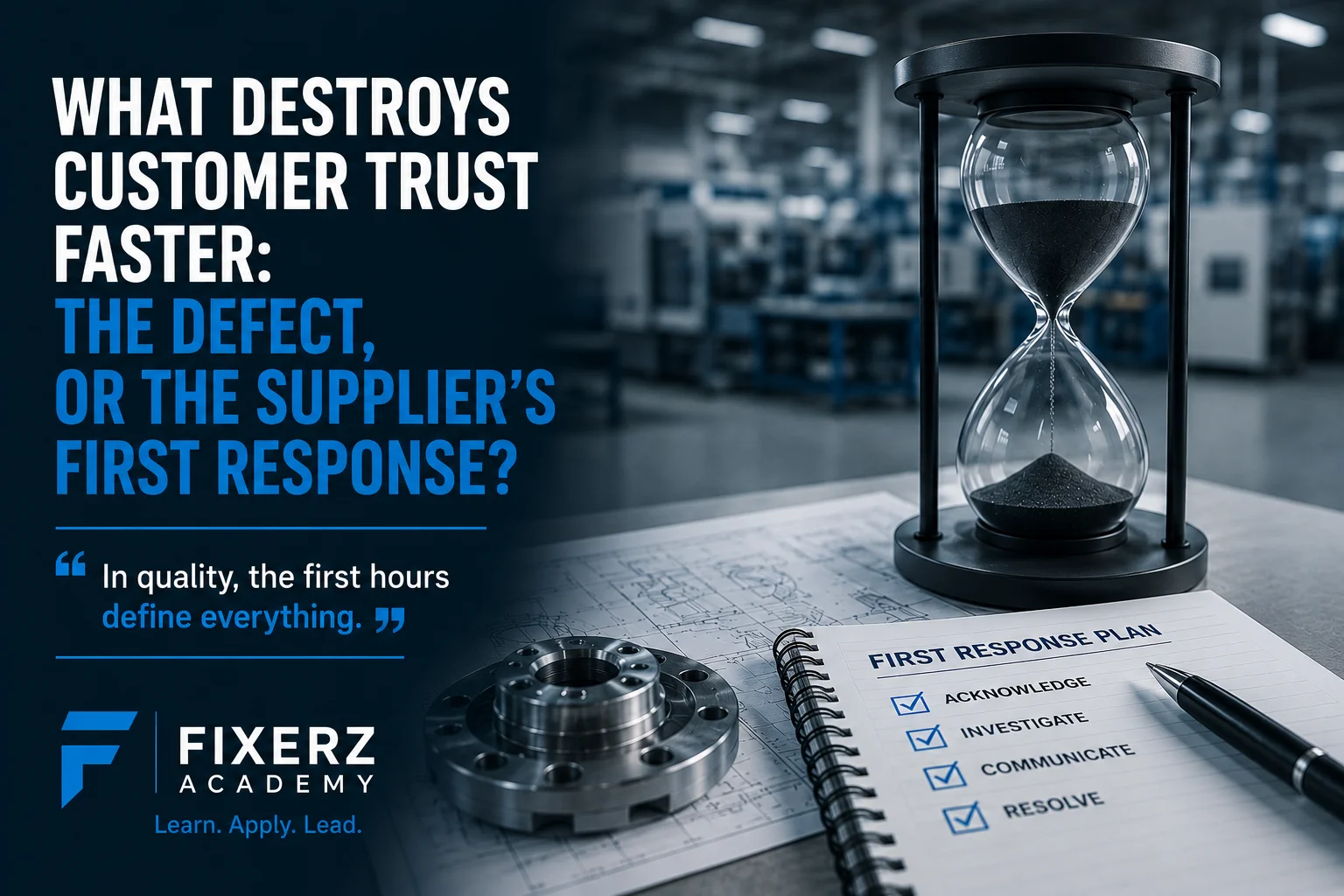
What Destroys Customer Trust Faster: The Defect, or the Supplier’s First Response?
One defective part won’t destroy customer trust—but your first response might. After years in automotive manufacturing, I’ve learned that customers rarely remember the defect itself. They remember how you reacted when everything was on the line. Here’s why communication, ownership, and urgency often matter more than the technical root cause.
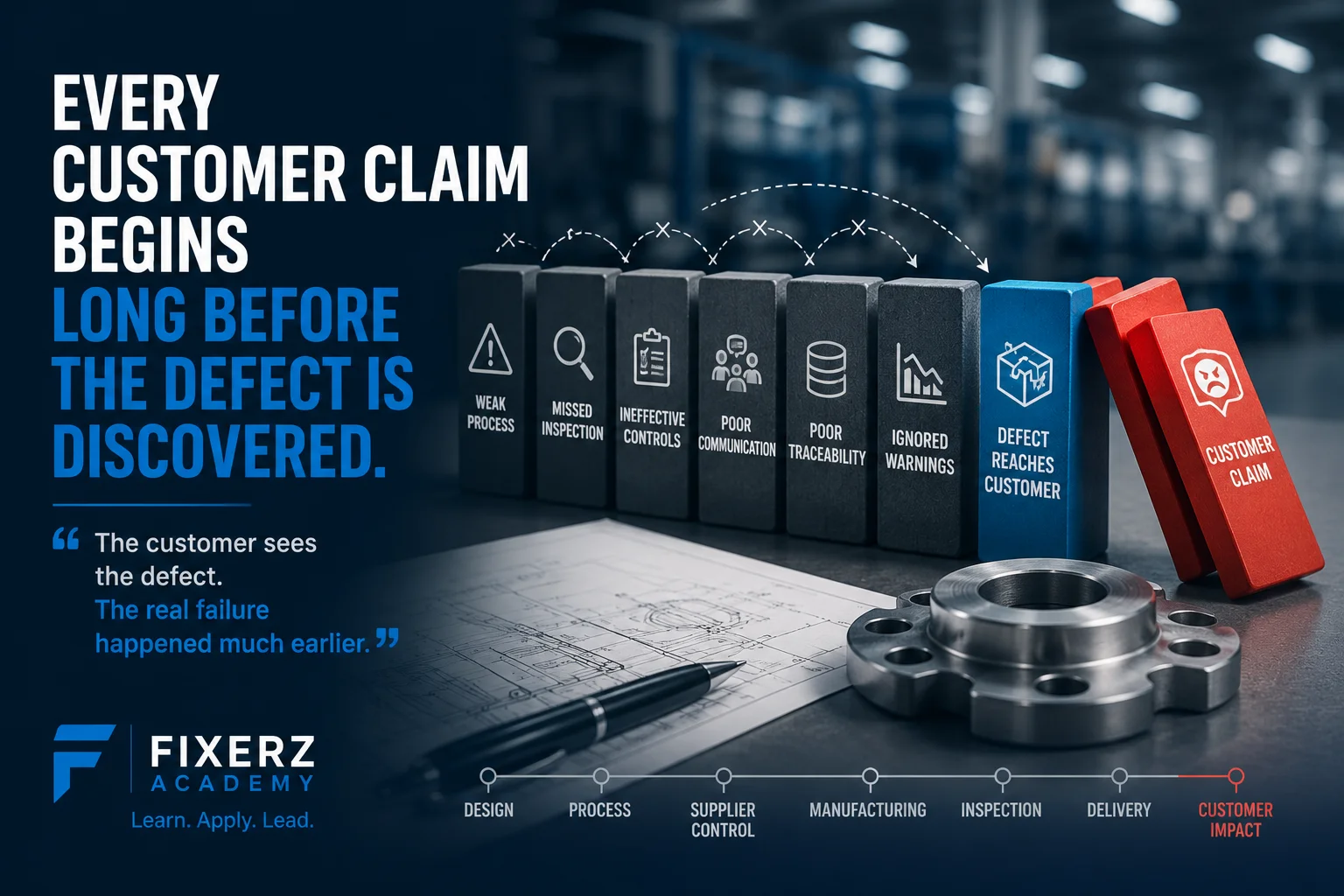
Every Customer Claim Begins Long Before the Defect Is Discovered
Every customer claim is only the visible symptom of a much deeper problem. By the time a defect reaches your customer, dozens of opportunities to detect and prevent it have already been missed. The real question isn’t who made the mistake—it’s what allowed the system to let it happen.
A Customer Claim Is an Audit of Your Entire Company
One defective part can expose your entire company. A customer claim reveals how leadership reacts, whether traceability works, how departments communicate, and whether your systems survive under pressure. The customer may report one defect—but what they are really assessing is something much bigger: can this supplier still be trusted?
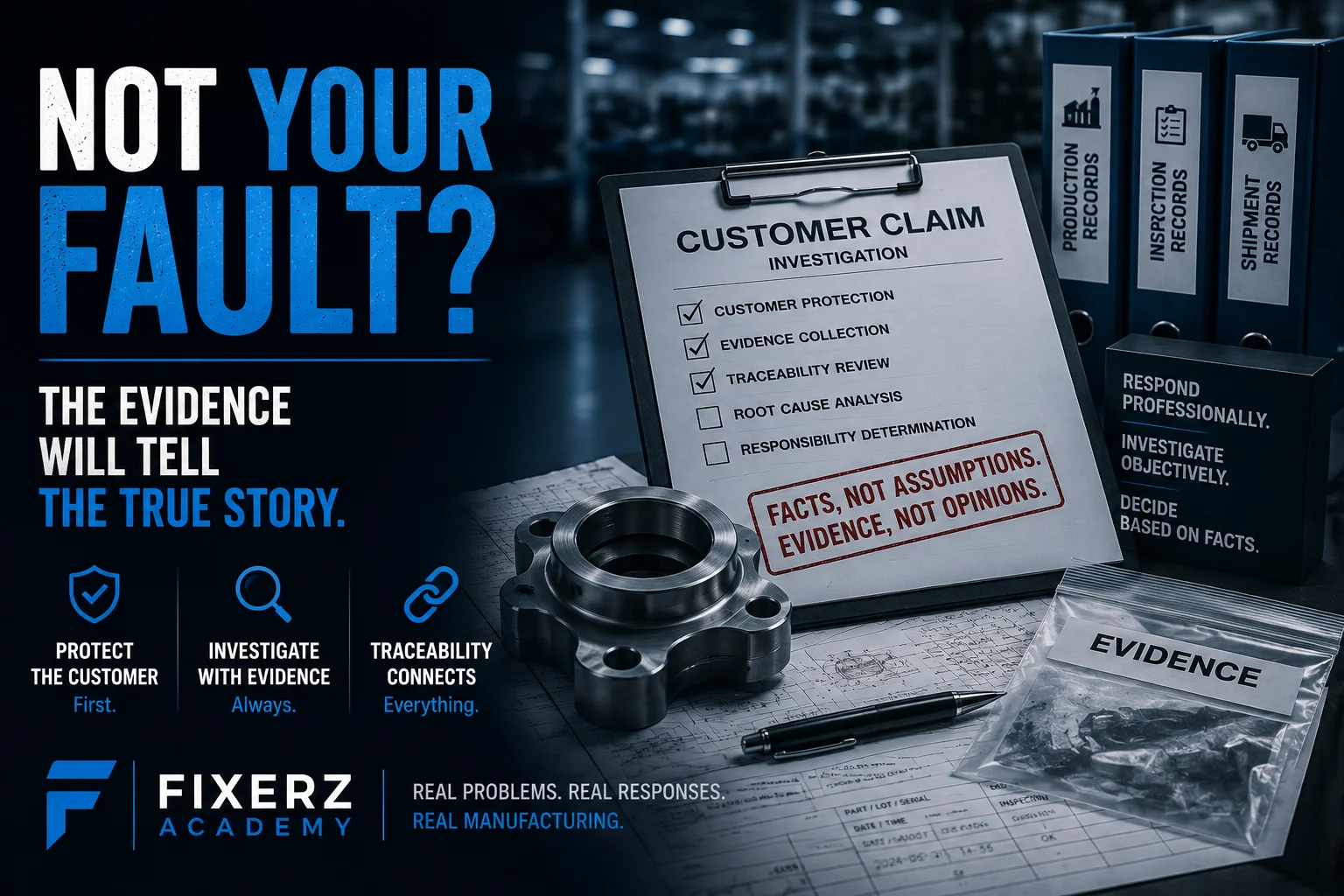
Have You Ever Received a Customer Claim That Wasn’t Actually Your Fault?
Have you ever received a customer claim that wasn’t actually your fault? It happens more often than many suppliers admit. The best manufacturers don’t rush to blame or defend—they protect the customer, gather evidence, verify traceability, and let the facts determine responsibility. That’s where trust is either strengthened or lost.
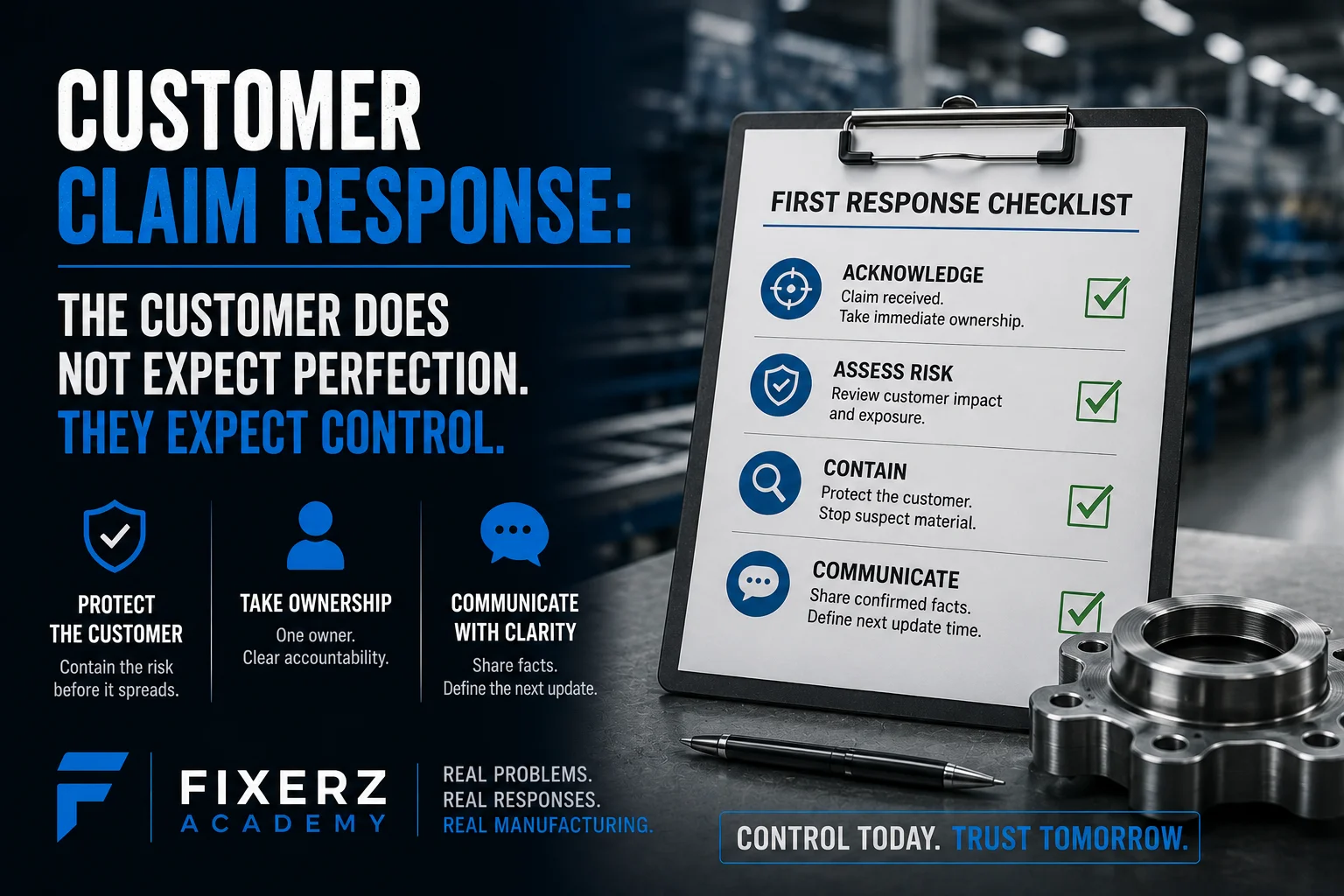
Customer Claim Response: The Customer Does Not Expect Perfection. They Expect Control.
Customers don’t expect a perfect supplier—they expect a controlled response. During the first hours of a customer claim, ownership, containment, communication, and customer protection matter more than having every answer. The strongest manufacturers don’t eliminate uncertainty immediately. They demonstrate that the situation is under control from the very first response.
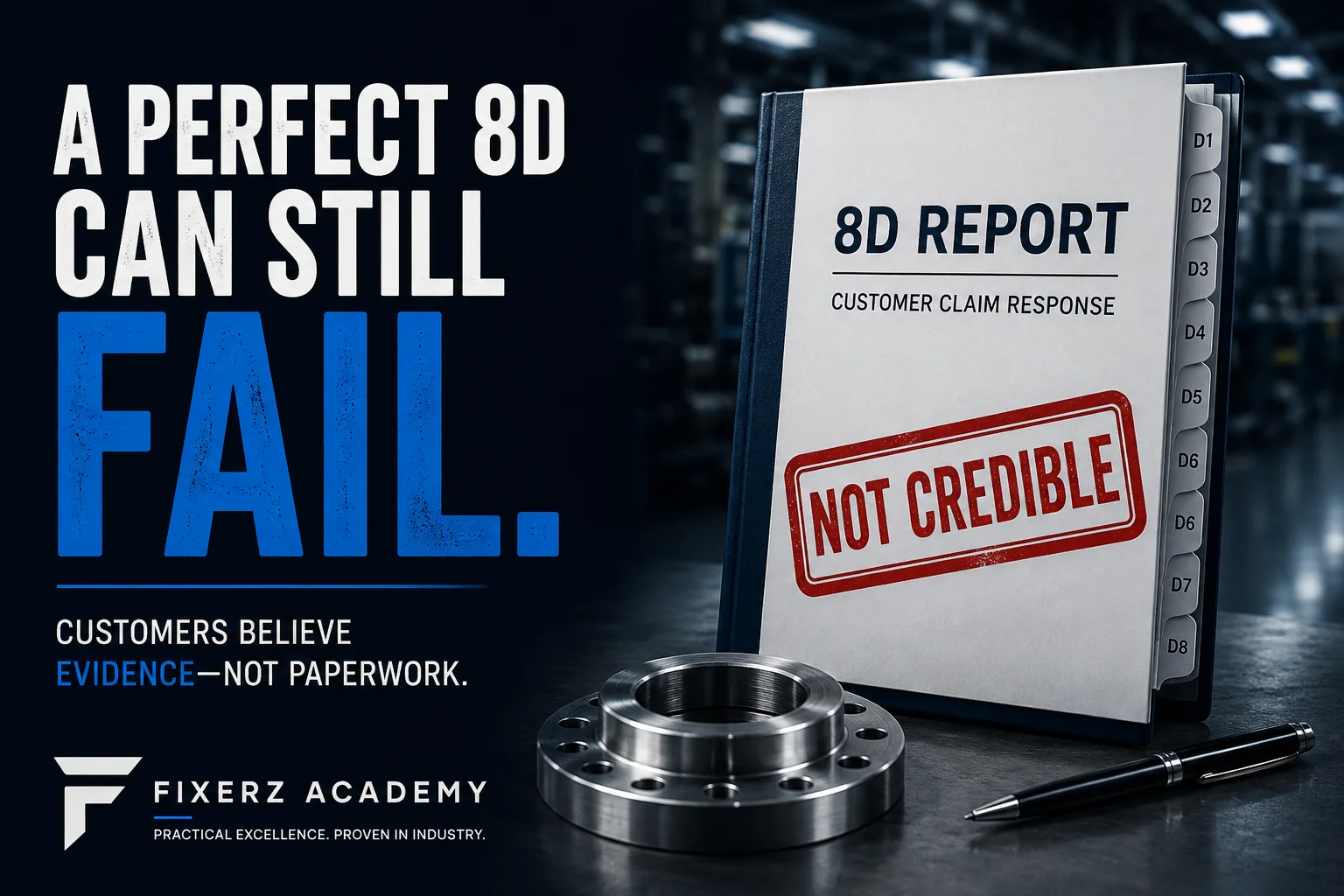
I Once Saw a Supplier Lose Millions Because of a “Perfect” 8D Report
A polished 8D may impress internally, but customers don’t judge paperwork—they judge evidence. The strongest suppliers don’t rely on perfect formatting or promises. They build confidence with clear facts, proven root causes, verified corrective actions, and evidence that stands up to every customer question.
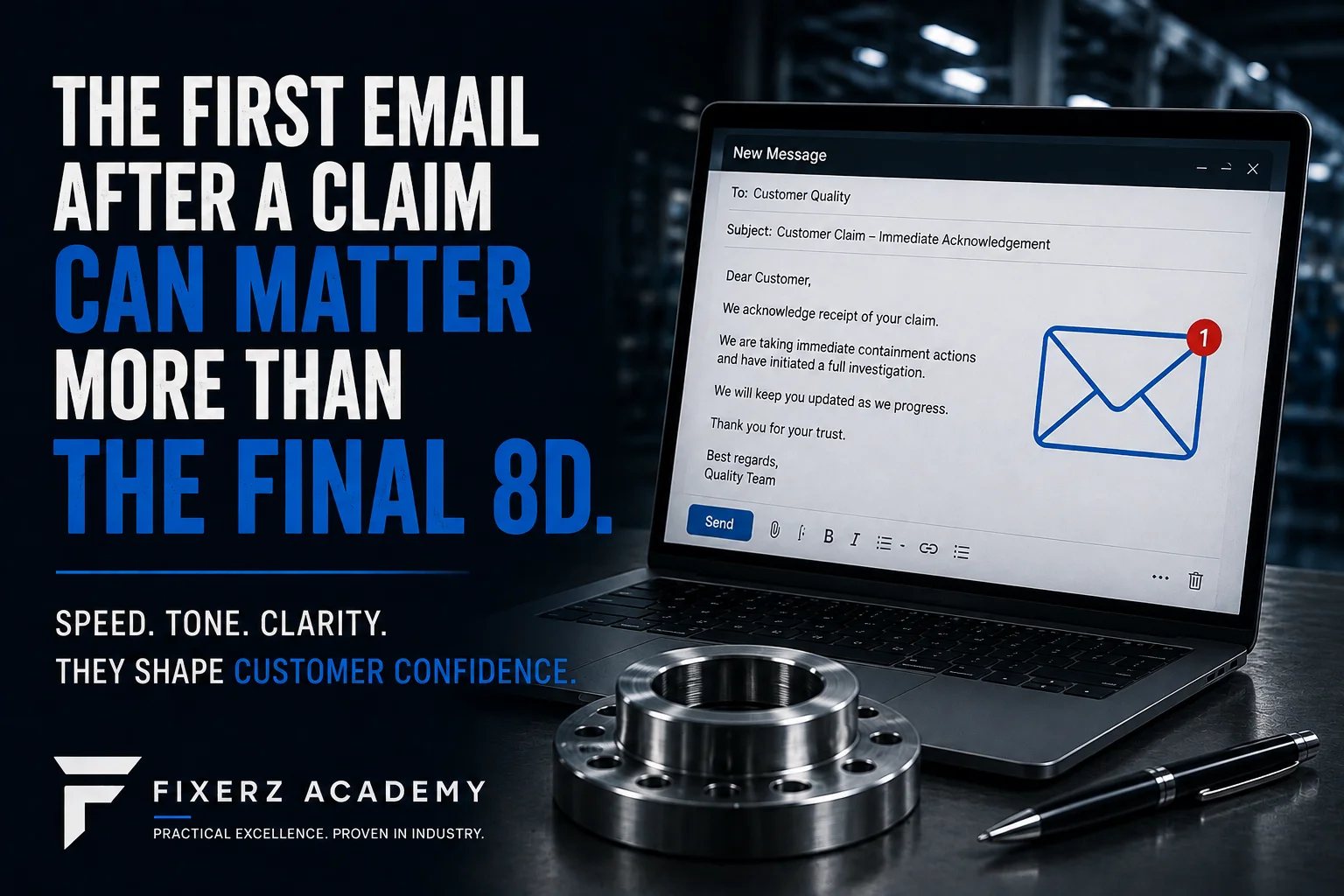
The First Email After a Customer Claim Can Matter More Than the Final 8D
The first response to a customer claim sets the tone for everything that follows. Before you’ve identified the root cause or completed an 8D, your customer is already deciding whether they can trust your organisation to manage the situation professionally.
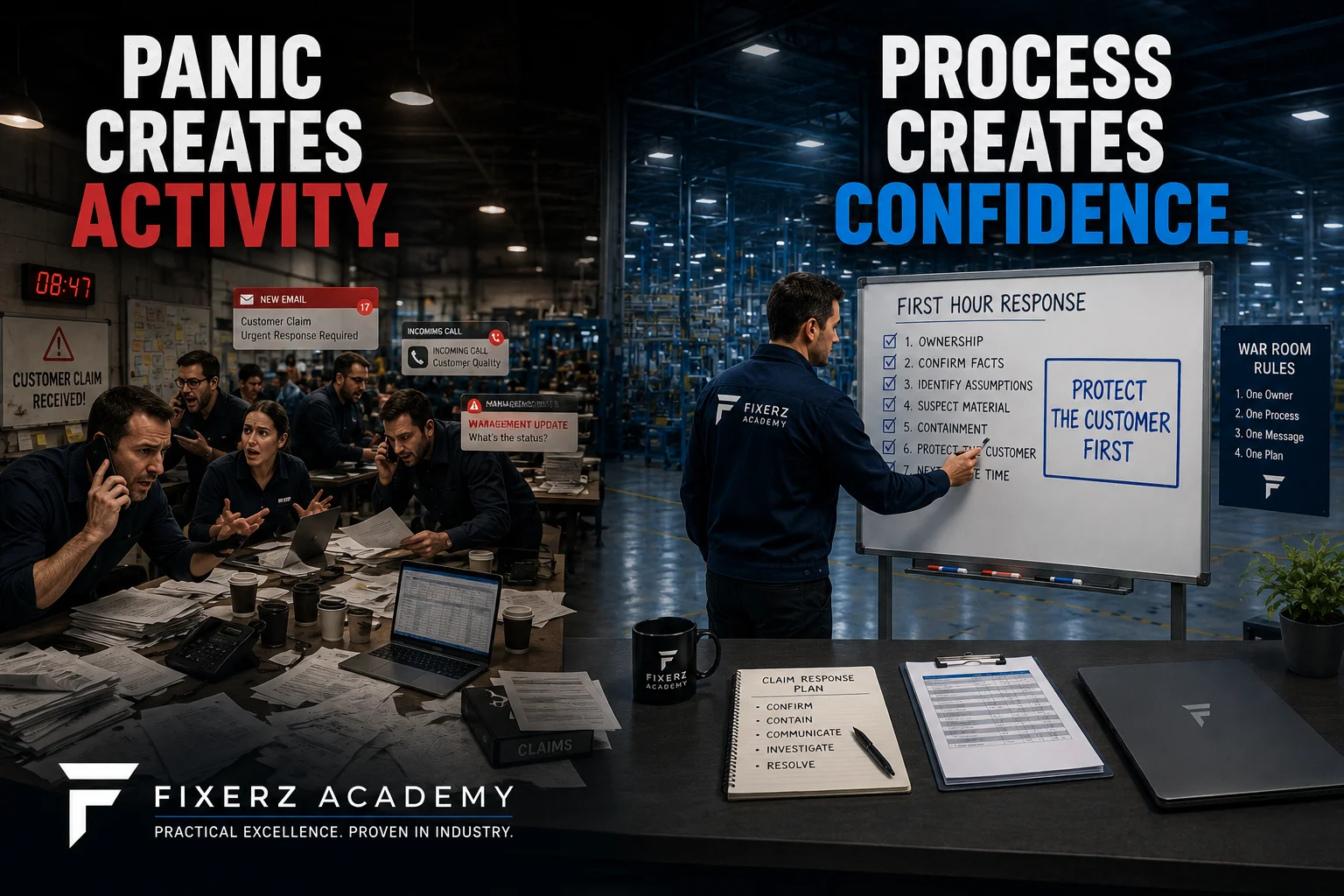
The Biggest Mistake Engineers Make in the First Hour Isn’t Technical
Most engineers spend the first hour chasing the root cause. The best engineers spend it protecting the customer. Learn why the first sixty minutes often determine the success—or failure—of the entire customer claim.
Customer Claim Process | Panic Creates Activity. Process Creates Confidence.
Customer claims create pressure, and pressure creates activity. But activity isn’t the same as control. Discover why the best manufacturing teams rely on structured processes—not panic—to protect customers and manage the first critical hours of every claim.
Which Is Harder: Finding the Defect, or Stopping the Customer From Losing Trust?
Finding the technical cause of a defect is only half the challenge. Great quality engineers know that protecting customer trust during the investigation is just as important as finding the root cause.